
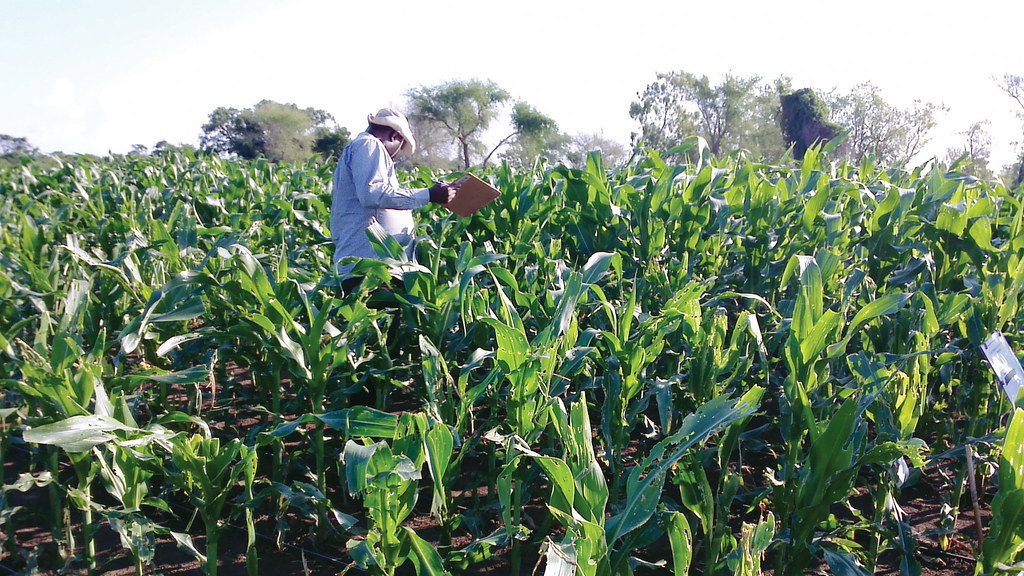
Pest Control in Agriculture: Protecting Crops for a Better Harvest
Pest control is a critical component of modern agriculture. Insects, weeds, fungi, and other pests pose a constant threat to crop yields, food security, and farmer income. Effective pest management not only safeguards crops but also supports sustainable farming practices and long-term soil and environmental health.
What is Pest Control?
Pest control in agriculture refers to the methods and strategies used to prevent, reduce, or eliminate damage caused by harmful organisms such as insects, mites, rodents, fungi, and weeds. These pests can significantly reduce crop quality and quantity if left unmanaged.
Types of Agricultural Pests
- Insect Pests:
Attack leaves, stems, roots, and fruits (e.g., aphids, caterpillars, whiteflies) - Weeds:
Compete with crops for sunlight, nutrients, and water - Fungal Pathogens:
Cause diseases like rust, mildew, and blight - Nematodes & Soil-Borne Pests:
Attack roots and reduce plant growth - Rodents & Birds:
Damage grains and seedlings
Pest Control Methods
1. Chemical Control
- Use of insecticides, herbicides, fungicides
- Fast and effective for large infestations
- Requires proper handling and timing
2. Biological Control
- Use of natural predators or parasites (e.g., ladybugs against aphids)
- Safe and eco-friendly
- Works best as part of an Integrated Pest Management (IPM) system
3. Cultural Practices
- Crop rotation, intercropping, and field hygiene
- Prevent pest build-up and disrupt life cycles
4. Mechanical/Physical Methods
- Handpicking, traps, light barriers, and nets
- Useful in small-scale or organic farming
5. Integrated Pest Management (IPM)
- A holistic approach combining all above methods
- Based on pest monitoring, economic thresholds, and sustainability
Importance of Pest Control
- Protects crop yield and quality
- Reduces post-harvest losses
- Improves farmer profitability
- Supports food security
- Preserves biodiversity and soil health when done responsibly
Safe & Responsible Use of Pesticides
- Always read and follow label instructions
- Use protective clothing during application
- Store chemicals away from children, food, and water sources
- Avoid overuse or mixing incompatible products
- Follow waiting periods before harvest
Future of Pest Control
The future lies in smart, sustainable, and eco-conscious pest control. Advancements like precision agriculture, drone spraying, and biopesticides are making it possible to control pests with greater accuracy and less environmental impact.
Conclusion
Pest control is not just about eliminating pests — it’s about managing them responsibly to ensure healthy crops, safe food, and a balanced ecosystem. With the right knowledge and tools, farmers can protect their fields while building a sustainable agricultural future.