
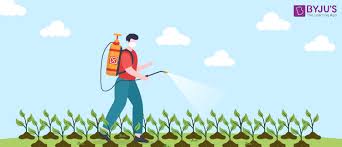
Seasonal Management in Agriculture: Planning for Productive Harvests Year-Round
Seasonal management is a cornerstone of successful farming. Every season brings different challenges and opportunities for crop production, pest control, and resource planning. By understanding and adapting to seasonal patterns, farmers can improve yields, minimize losses, and optimize resource use throughout the year.
What is Seasonal Management?
Seasonal management refers to the strategic planning and execution of farming activities based on seasonal changes in climate, temperature, rainfall, pest behavior, and crop cycles. It helps farmers align their practices with the natural rhythm of the environment for optimal productivity.
Key Aspects of Seasonal Management
1. Crop Planning & Selection
- Choose crops suited to the upcoming season’s temperature, humidity, and soil moisture.
- Rotate crops to maintain soil fertility and break pest and disease cycles.
Example:
- Rabi Season: Wheat, Mustard, Chickpeas
- Kharif Season: Rice, Maize, Cotton
- Zaid Season: Watermelon, Cucumber, Fodder crops
2. Pest and Disease Forecasting
- Monitor historical patterns of pest outbreaks (e.g., stem borers in monsoon, powdery mildew in winter).
- Apply preventive treatments or biocontrol agents before pest pressure peaks.
Tip: Use pheromone traps or scouting to detect early pest presence.
3. Soil and Water Management
- Adjust irrigation schedules based on rainfall and temperature.
- Apply nutrients depending on crop needs and growth stages.
- Perform seasonal soil testing for balanced fertilization.
Dry Season Tip: Use mulching or drip irrigation to conserve water.
Wet Season Tip: Ensure good drainage to prevent root rot and waterlogging.
4. Weed Control
- Timing is crucial: most weeds emerge early in crop cycles.
- Pre-emergent herbicides can be applied at the right stage depending on season.
- Manual or mechanical weeding should be scheduled before seed setting.
5. Harvest and Post-Harvest Planning
- Schedule harvests at optimal crop maturity to prevent spoilage or pest damage.
- Plan storage, transport, and marketing based on seasonal demand and supply trends.
Seasonal Pest Management Example: Cotton Crop
| Season | Common Pests | Suggested Action |
|---|---|---|
| Early Kharif | Aphids, Jassids | Spray neem-based biopesticides early |
| Mid-Season | Bollworms | Install pheromone traps, apply IPM |
| Late Season | Whiteflies, Mites | Use selective insecticides, monitor field edges |
Benefits of Effective Seasonal Management
- ✅ Higher crop yields and quality
- ✅ Efficient use of inputs (water, fertilizer, pesticides)
- ✅ Reduced pest and disease outbreaks
- ✅ Improved farm profitability
- ✅ Better resilience to climate variability
The Role of Technology in Seasonal Planning
Modern farmers are increasingly using:
- Weather forecasting apps
- Pest advisory alerts
- Soil health dashboards
- Seasonal crop calendars
- GIS and remote sensing tools
These help farmers make timely, data-driven decisions throughout each growing season.
Conclusion
Seasonal management isn’t just a farming technique — it’s a smart strategy. By anticipating what each season brings and planning accordingly, farmers can stay one step ahead of risks, reduce losses, and harvest success year after year.