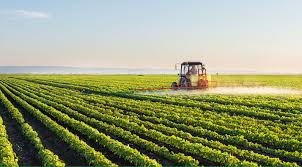
Ensuring Crop Health: The Foundation of Productive Farming
Healthy crops are the foundation of successful agriculture. Whether you are growing staple grains, vegetables, or cash crops, maintaining crop health throughout the growing season ensures better yields, improved quality, and long-term farm sustainability. With the right practices and timely interventions, farmers can protect their crops from biotic and abiotic threats while preserving soil and environmental health.
What is Crop Health?
Crop health refers to the overall condition of a plant in terms of growth, resistance to pests and diseases, nutrient balance, and ability to withstand stress like drought or extreme temperatures. Healthy crops grow vigorously, produce higher yields, and are better able to recover from environmental challenges.
Key Factors Affecting Crop Health
1. Soil Quality
- Healthy soil supports strong root development and nutrient uptake.
- Practices like organic matter addition, crop rotation, and avoiding overuse of chemicals help maintain soil fertility.
2. Nutrient Management
- Balanced use of fertilizers (NPK, micronutrients) is essential.
- Overuse or underuse of any nutrient can weaken plants or lead to toxic buildup.
3. Pest and Disease Control
- Insect pests, fungi, bacteria, and viruses can damage or kill crops if not managed early.
- Use of Integrated Pest Management (IPM) helps reduce dependence on chemical sprays.
4. Water and Irrigation
- Both under-irrigation and over-irrigation can affect crop health.
- Timely and appropriate watering improves plant resilience and productivity.
5. Climatic Conditions
- Temperature, rainfall, and humidity influence crop growth and disease risk.
- Selecting the right variety for the season and area improves results.
Common Signs of Poor Crop Health
- Yellowing or curling leaves
- Stunted growth or patchy fields
- Wilting or root rot
- Presence of pests (e.g., holes in leaves, sticky residue)
- Mold, blight, or fungal spots on leaves and stems
How to Maintain Crop Health
✅ 1. Regular Monitoring
- Scout fields weekly for pests, diseases, and nutrient deficiencies.
- Early detection allows timely action and prevents spread.
✅ 2. Preventive Pest Control
- Use seed treatments and pre-plant sprays to avoid early infestations.
- Adopt biological controls and safe pesticides when necessary.
✅ 3. Crop Rotation and Intercropping
- Helps reduce pest cycles and improves soil structure and nutrition.
✅ 4. Use of Resistant Varieties
- Choose hybrids and varieties resistant to local pests or diseases.
✅ 5. Proper Harvesting Time
- Delayed harvesting increases the risk of disease, pest attacks, and quality loss.
Sustainable Crop Health Practices
- Incorporate organic inputs (compost, manure)
- Promote beneficial insects and pollinators
- Avoid unnecessary pesticide use to reduce resistance and environmental damage
- Educate farmers about safe chemical use and personal protection
Why Crop Health Matters
- ✅ Higher productivity and income
- ✅ Reduced input costs through prevention
- ✅ Improved food quality and safety
- ✅ Better soil health and environmental balance
- ✅ Long-term farm sustainability
Conclusion
Crop health is not a one-time effort — it’s a continuous commitment. By combining traditional knowledge with modern tools, farmers can grow crops that are not only high-yielding but also resilient, safe, and sustainable. A healthy crop means a healthy harvest, a healthy environment, and a healthy future for farming.