
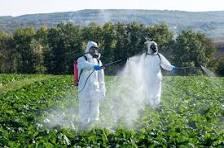
Understanding Pesticide Regulations: Ensuring Safe and Responsible Use in Agriculture
Pesticides play a vital role in protecting crops from pests, weeds, and diseases, contributing to higher agricultural productivity. However, their improper use can pose serious risks to human health, the environment, and food safety. This is why pesticide regulations are essential — they ensure that these products are used safely, responsibly, and effectively.
What Are Pesticide Regulations?
Pesticide regulations are a set of laws, guidelines, and standards established by governments and international agencies to control the manufacture, registration, sale, distribution, and use of pesticides. These rules help minimize risks to farmers, consumers, and ecosystems while ensuring that only approved, effective, and safe products reach the market.
Who Regulates Pesticides?
- National Authorities:
Each country has its own regulatory body (e.g., EPA in the USA, CIBRC in India, Department of Plant Protection in Pakistan) that oversees pesticide approval and monitoring. - International Guidelines:
Organizations like FAO, WHO, and OECD provide international frameworks and standards such as the Codex Alimentarius for pesticide residues in food.
Key Areas Covered by Pesticide Regulations
1. Product Registration
- Before a pesticide can be sold or used, it must be registered after rigorous testing.
- Authorities evaluate the product’s toxicity, environmental impact, and effectiveness.
2. Labeling and Packaging
- Pesticide labels must include:
- Active ingredients
- Usage instructions
- Safety precautions
- First aid measures
- Expiry date and batch number
3. Approved Application Methods
- Regulations specify how, when, and where pesticides can be used.
- This includes limits on dosage, application frequency, and waiting periods before harvest.
4. Maximum Residue Limits (MRLs)
- MRLs define the safe levels of pesticide residues allowed in food.
- Exceeding MRLs can result in health risks and trade rejections.
5. Worker Safety and PPE Use
- Guidelines require farmers and applicators to use Personal Protective Equipment (PPE).
- Training and education programs are often mandated.
6. Storage and Disposal
- Pesticides must be stored away from food, water, and children.
- Empty containers and expired products must be disposed of safely to prevent contamination.
Penalties for Non-Compliance
Violating pesticide regulations can lead to:
- Fines and legal action
- Product bans or recalls
- Loss of export privileges
- Harm to brand reputation
- Risk to public health and the environment
Promoting Safe and Sustainable Use
Modern regulations emphasize Integrated Pest Management (IPM), reduced-risk pesticides, and biopesticides to limit reliance on chemicals. Governments and companies also run awareness campaigns and training for safe pesticide handling.
✅ Tips for Farmers and Distributors
- Always buy registered pesticides from licensed dealers
- Follow label instructions and application intervals
- Wear recommended protective gear
- Never reuse empty containers
- Keep records of pesticide use
Conclusion
Pesticide regulations are not just legal requirements — they are a shared responsibility. By following the rules, farmers, distributors, and manufacturers protect not only crop health and yield but also the well-being of people and the planet. Safe and informed use of pesticides ensures that agriculture remains productive, profitable, and sustainable.